



What happens if a jute rug gets wet?

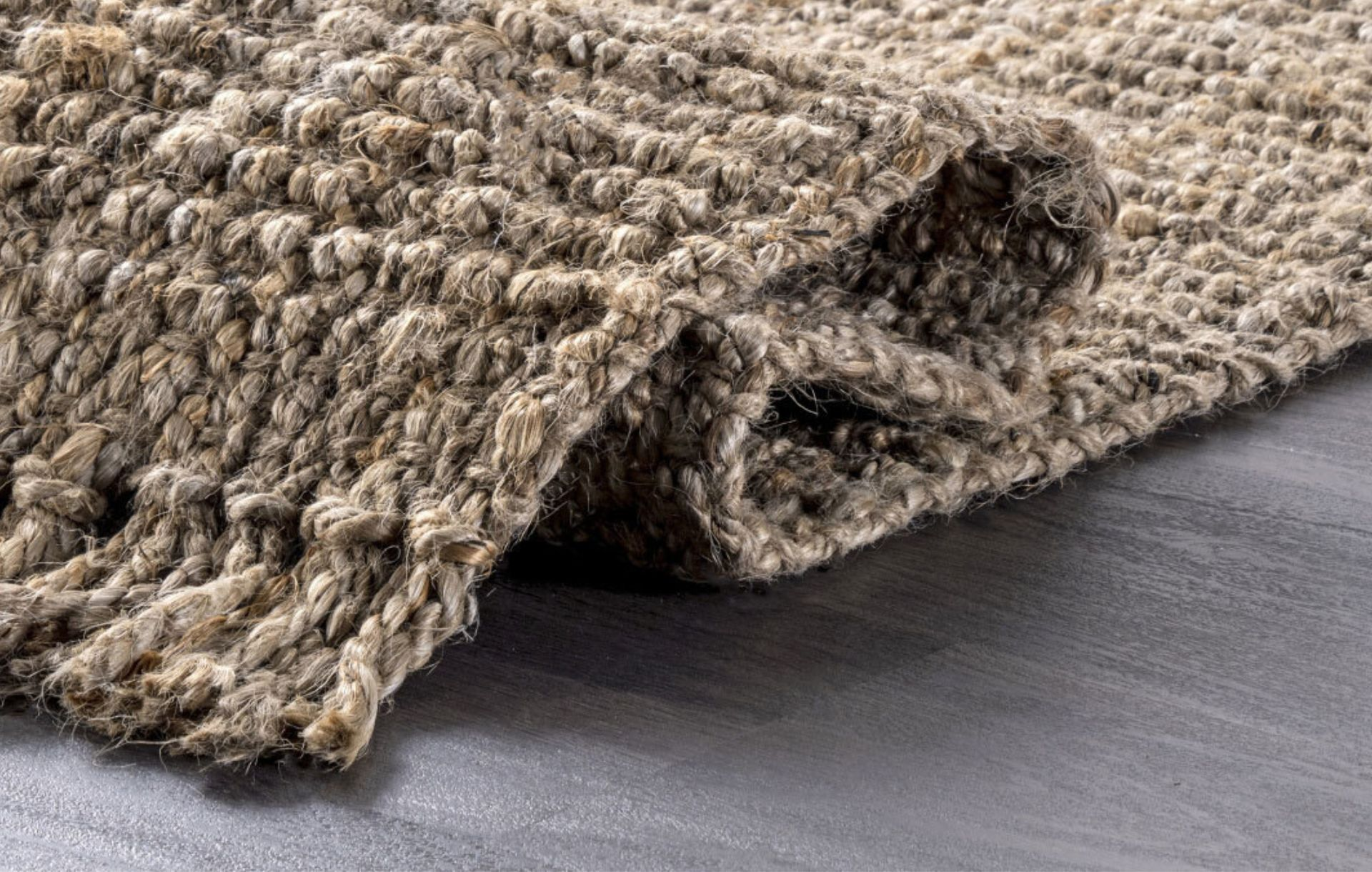
Jute rugs have a classic, timeless look that makes them a staple of homes across Australia. Their durable, flexible fibres can be used to create versatile rugs that add a natural, earthy feel to any space – without breaking the bank!
While this low-maintenance material is strong, stylish and easy to clean, jute rugs are also known for their absorbency. Unlike synthetic or cotton materials, jute rugs need to be kept dry to avoid warping, staining and long-term damage to their fibres.
So, what happens if a jute rug gets wet? In this blog, we’ll show you how to avoid water damage and get the most long-term use out of your jute rug. Read on!
How are jute rugs made?
%20(1).jpg)
Jute rugs are made from all-natural fibres and are the second most popular material in the world behind cotton. This soft, durable fabric is made from jute plants grown in various parts of the world including Bangladesh and India.
To create a jute rug, the plants are harvested and submerged in water for three to four weeks. Unlike jute rugs, jute plants need wet, humid conditions to thrive. When wet, jute plants experience the opposite of what happens if a jute rug gets wet — instead of breaking down, their fibres become stronger and more durable.
Jute fibres are created by stripping the bark from jute plants and drying it, giving them their distinctive golden hue. The fibres are then hand-woven to create a variety of products including rugs, burlap fabrics and ropes!
Despite its similarities to these tough materials, jute rugs are surprisingly soft and are a popular choice for barefoot households. Their durable fibres and hand-woven construction mean they can last for years with little to no damage, especially in areas with low foot traffic.
What happens if a jute rug gets wet?
.jpg)
Jute fibres are susceptible to mould and mildew which can cause the fibres to break down. Water, liquids and other types of moisture will release the natural oils within your jute rug, causing it to stain and turn a dark brown colour.
Because of this, avoid putting jute rugs in wet or humid spaces such as bathrooms, kitchens or laundries. If possible, try to keep your jute rug away from areas where spills are likely to occur such as dining rooms. We also don’t recommend jute rugs for outdoor spaces like decks and covered patios due to the risk of rain getting on your rug.
Can jute rugs get wet without getting damaged?
.jpg)
Can jute rugs get wet and remain in good condition? If your jute rug gets wet, don’t panic. While jute fibres absorb moisture quickly, they’re also easy to dry… as long as you act quickly.
First, use a clean, dry cloth to soak up as much moisture as possible. Then, apply a dry cleaning solution like bicarbonate soda to the affected area and leave it to sit for 15 to 30 minutes, depending on the size of your stain.
Vacuum your rug and remove the bicarbonate soda. Then, use a blow dryer on a low, cool setting to dry the affected area. We recommend using a blow dryer instead of air drying to ensure the moisture is removed as quickly as possible.
How to clean a jute rug
.jpg)
Jute rugs are low maintenance and require very little upkeep to stay looking brand new. Here, we’ll show you our guide for cleaning jute rugs and explain what happens if a jute rug gets wet.
- Vacuum regularly. We recommend vacuuming your jute rug at least once a week. Removing dirt and dust from the surface of your rug prevents it from sinking deeper into the fibres of your rug. Plus, jute rugs are known to shed loose fibres – vacuuming regularly prevents this debris from spreading throughout your space.
- Avoid using water. As mentioned, avoid getting your jute rug wet as much as possible. Stains and other liquids should be removed by soaking them up with a dry cloth and applying a dry cleaning solution like bicarb soda. If this process doesn’t work, a small amount of water and detergent can be used to remove stains. However, be sure to dry your rug straight away to avoid discolouration.
- Blot, don’t rub. For liquid and food stains, blot the affected area. Rubbing stains will cause moisture and oil to sink into the fibres of your rug, causing discolouration.
- Dry immediately. If you’ve used water to clean your rug, make sure you dry it as quickly as possible. We recommend lightly blow drying the affected area on a cool setting to remove as much moisture as possible and letting it air dry. Dry your rug away from direct sunlight to avoid damaging the fibres.
- Shake your rug. Remove any shedding or loose fibres from your rug by shaking it outside. We recommend doing this before and after vacuuming your rug to remove as much shedding as possible.
.png)
Does Jute Absorb Water?
Yes, jute absolutely absorbs water, and understanding this property is crucial to proper care. As a natural fibre, jute is hygroscopic—meaning it naturally attracts and holds moisture from the air. While this trait is beneficial during the plant’s growth phase, it becomes a disadvantage once woven into products like rugs.
When exposed to water, jute fibres expand and retain that moisture. Over time, this absorption can lead to permanent staining, weakening of the fibres, and an increased risk of mould and mildew formation. Knowing that jute absorbs water so effectively should reinforce the importance of keeping your rug in a dry, well-ventilated area.
What Happens When Jute Gets Wet Over Time?
Prolonged exposure to moisture can seriously degrade the integrity of a jute rug. Initially, you may notice a change in colour—wet spots typically darken and can spread over time. As moisture lingers, the rug becomes a breeding ground for bacteria and fungi, particularly mould and mildew. These microorganisms thrive in damp conditions and can accelerate decomposition, leading to weakening and fraying of the rug's natural fibres.
Additionally, the release of jute’s natural oils when wet can leave behind hard-to-remove stains and a musty odour. This not only affects the rug’s aesthetic but may also impact indoor air quality.
How to Prevent Water Damage on Jute Rugs
Prevention is the best defence when it comes to extending the life of your jute rug. Avoid placing your rug in high-humidity areas or near water-prone zones such as entryways, kitchens or bathrooms. Using a rug pad underneath your jute rug can elevate it slightly from the floor, allowing increased airflow and reducing moisture trapping.
For areas where water exposure is unavoidable, consider a synthetic fibre rug that mimics jute's aesthetic but doesn't absorb water. Regularly checking for signs of dampness and rotating the rug can also help prevent uneven wear and hidden moisture build-up on the underside.
Can You Waterproof a Jute Rug?
Completely waterproofing a jute rug is difficult due to its natural absorbency. However, treating your rug with a fabric-safe, water-repellent spray can offer a degree of protection against light spills and atmospheric moisture. These sprays create a thin protective barrier on the surface fibres, helping repel small amounts of water before it penetrates.
Keep in mind, though, that this protection is not foolproof—heavy spills or direct water exposure can still permeate the rug. Always test any waterproofing product on a small, inconspicuous section of your rug first to avoid discolouration or fibre damage.
FAQs about jute rugs
Can I use a jute rug outdoors or on a covered patio?
Even on a covered patio, exposure to dew, humidity or blowing rain can spell trouble for a jute rug. Because jute absorbs water so easily, outdoor use is not recommended unless your space is fully enclosed and climate-controlled.
What should I do if a pet urinates on a jute rug?
Pet urine can not only stain jute but also exacerbate odour and bacterial buildup. Blot the area immediately with a dry cloth, apply a mixture of white vinegar and bicarbonate soda, and ensure the spot is thoroughly dried afterwards using a low-heat blow dryer. Repeat the process if necessary and avoid soaking the fibres.
Is it safe to steam clean a jute rug?
No, steam cleaning should be avoided. High heat and moisture can saturate the rug, leading to extensive water damage, warping and shrinkage. Stick to dry cleaning methods or consult professionals experienced in cleaning natural fibre rugs.
How can I tell if my jute rug has mould?
Early signs of mould include a musty smell, dark stains or discolouration, and a damp texture when touched. If you notice any of these, take immediate action to air out and dry the rug. In severe cases, professional cleaning or rug replacement may be necessary.
Add a natural touch to your space with our eco-friendly jute rugs
Looking to add a jute rug to your home? We don’t blame you!
At Rug.com.au, we stock Australia’s best range of jute rugs in a range of styles, shapes and sizes, perfect for a range of decors! From chic round jute rugs to hallway runners and more, our rugs will add the right finishing touch to your space. Plus, we stock a selection of eco-friendly natural fibre rugs including cotton, wool, hemp and sisal to keep your floors looking beautiful.
Shop online today and discover the possibilities for your space. Order now!
