



Jute rugs vs wool and polypropylene: What's best for you?

Choosing a rug starts with choosing the right material. A jute rug is a natural fibre rug made from the stems of the jute plant. These fibres are woven into a textured floor covering that brings warmth, character and an earthy look to your home.
Jute rugs are often compared with wool and polypropylene because each material suits a different lifestyle. Jute is natural and relaxed. Wool is soft and premium. Polypropylene is practical, affordable and easy to clean.
In this guide, we compare jute rugs, wool rugs and polypropylene rugs so you can choose the right option for your room, budget and day-to-day use.
What is jute?
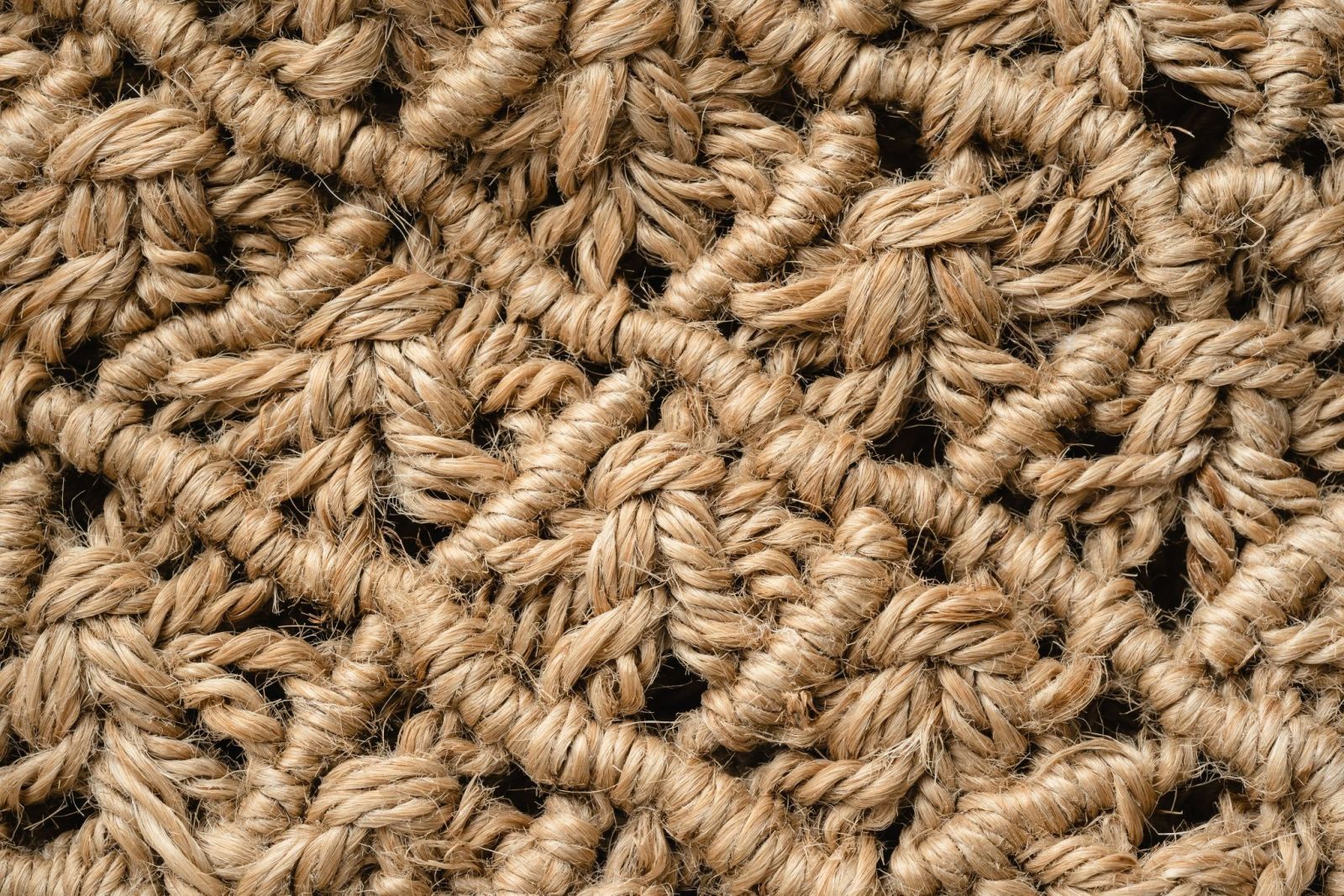
Jute is a natural plant fibre commonly grown in warm, humid regions. The long fibres come from the stem of the jute plant, which are dried, spun and woven into yarn.
When used in rugs, jute creates a textured, organic finish with a natural colour palette. Most jute rugs come in warm beige, tan, brown and golden tones, although some designs may include dyed fibres or blended materials.
Jute is renewable, biodegradable and often produced with lower environmental impact than many synthetic fibres. That makes it a popular choice for shoppers who want a more sustainable rug without moving into the higher price range of premium natural materials.
Is a jute rug right for your home?
A jute rug is best suited to indoor spaces where you want texture, warmth and a relaxed natural look. It works especially well in living rooms, bedrooms, dining rooms, hallways and home offices.
Jute handles everyday foot traffic well, particularly in moderate-use spaces. It is durable because the fibres are strong and tightly woven, but it is not the best choice for wet rooms or messy zones where spills happen often.
The feel of a jute rug depends on the weave. A chunky braided jute rug feels more textured underfoot, while a finer weave can feel smoother and more comfortable.
Key takeaways for jute rugs
- Best for natural, coastal, boho, Scandinavian and relaxed interiors
- Good for living rooms, bedrooms, hallways and home offices
- Best for dry indoor areas with moderate foot traffic
- Not ideal for bathrooms, laundries, damp kitchens or outdoor use
- May shed at first and can have a mild natural fibre smell when new
- Works best with a rug pad to help prevent slipping and protect floors
What are the pros and cons of jute rugs?
Jute rugs have plenty of benefits, but they are not right for every home. The key is understanding where they perform well and where another rug material may be more practical.
What are the benefits of jute rugs?
- Natural look: Jute adds warmth, texture and an organic feel to a room
- Sustainable choice: Jute is renewable, biodegradable and plant-based
- Good value: Jute often costs less than wool while still offering a natural fibre finish
- Durable texture: Jute works well in rooms with regular, moderate foot traffic
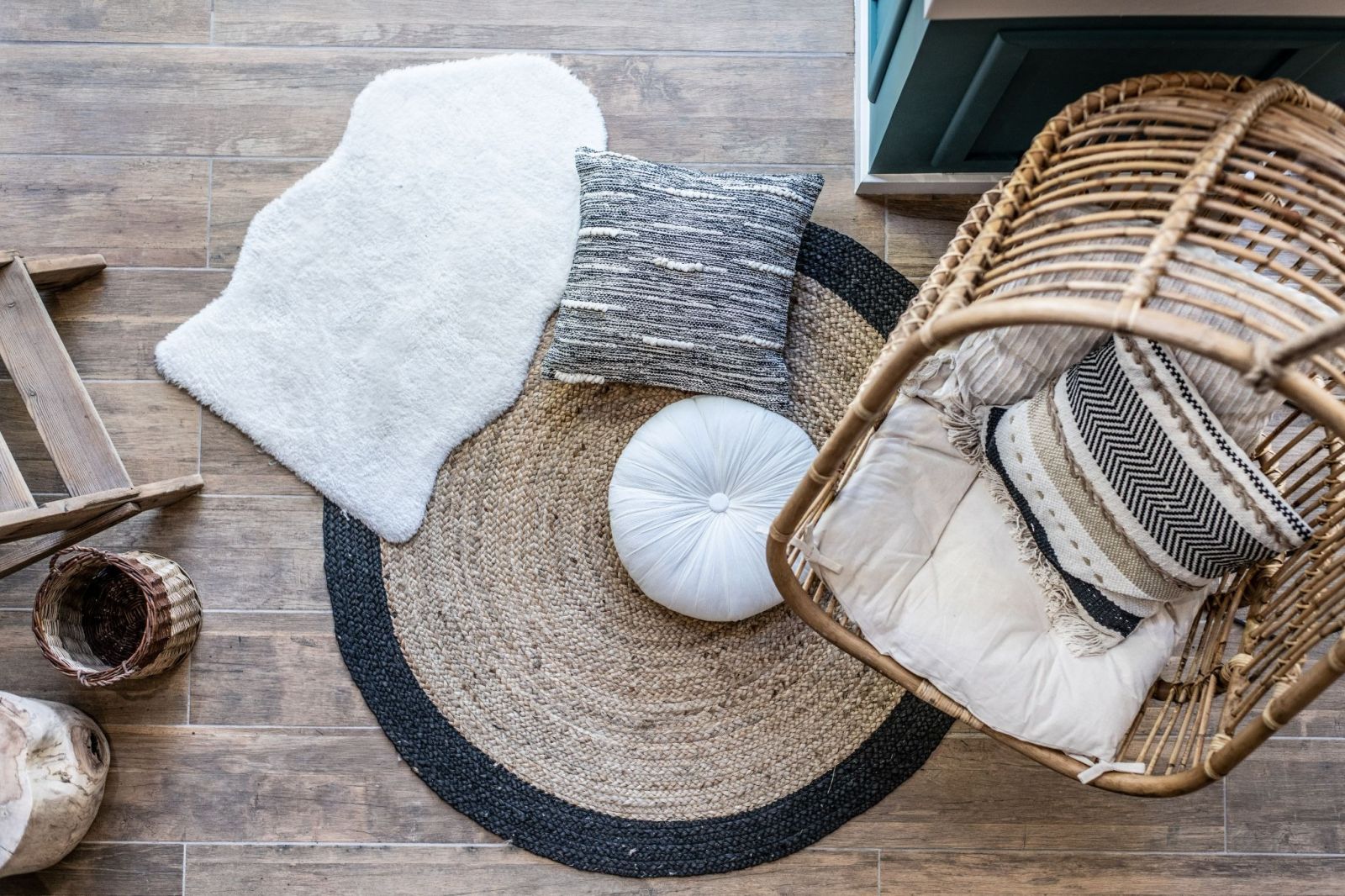
- Easy to style: Neutral tones pair well with timber floors, linen, rattan and soft furnishings
What are the drawbacks of jute rugs?
- Not water-friendly: Jute absorbs moisture, which can lead to staining, mould or fibre damage
- Limited colours: Most jute rugs sit within natural beige, tan and brown tones
- Textured feel: Some weaves may feel rough under bare feet, especially chunky styles
- Initial shedding: New jute rugs can shed fibres, especially underneath
- Not stain-proof: Jute can be harder to clean than synthetic materials
Where should you use a jute rug?

Jute works best in dry rooms where you want a natural look without needing heavy stain resistance. It can make a living room feel warmer, soften a bedroom, or add texture to a hallway.
In a living room, place a jute rug under the front legs of your sofa and chairs to anchor the space. In a bedroom, use it under the bed to add a calm, organic base.
A jute hallway runner can work well in a dry entry or corridor, but choose a tighter weave for better stability. Always use a rug pad underneath to reduce slipping, protect your floors and help prevent scratching.
Where should you avoid using jute rugs?
Avoid using jute in damp or humid areas. Bathrooms, laundries, wet kitchens and outdoor spaces can expose the fibre to too much moisture.
Jute is also not ideal under dining tables in homes with frequent spills. If you have young children, messy eaters or pets around food areas, polypropylene may be easier to manage.
Are jute rugs good for kids, pets and allergy sufferers?
Jute can suit family homes, but it depends on how the room is used. It is a natural fibre option and can work well in bedrooms, play corners and low-mess living areas.
- For very young children, consider the texture. A chunky jute weave may feel scratchy for crawling babies or children who sit on the floor for long periods.
- Pet households should also choose carefully. Cats and dogs may pull at chunky woven fibres with claws, and pet accidents can be difficult to clean from jute because the material absorbs moisture.
- For allergy sufferers, jute may appeal because it is a natural fibre and does not rely on synthetic pile. However, dust can still settle in the weave, so regular gentle vacuuming is important.
How do you care for a jute rug?

Jute rug care is simple, but you need to avoid excess moisture. The goal is to remove dust gently and act quickly when spills happen.
Step-by-step jute rug care
- Vacuum gently once or twice a week using suction only
- Avoid rotating brush heads, as they can pull at the fibres
- Blot spills straight away with a clean, dry cloth
- Use as little water as possible when spot cleaning
- Dry the area immediately after any spill or clean-up
- Shake or vacuum underneath the rug to remove shed fibres
- Rotate the rug every few months to balance wear
Do this with jute rugs
- Use a rug pad underneath
- Keep the rug in dry indoor spaces
- Vacuum with gentle suction
- Blot spills immediately
- Let the rug dry fully after any moisture exposure
Do not do this with jute rugs
- Do not steam clean jute
- Do not soak the rug
- Do not scrub stains harshly
- Do not place jute in bathrooms, laundries or damp outdoor areas
- Do not use a beater bar vacuum head on chunky weaves
Do jute rugs shed?
Yes, jute rugs can shed, especially when they are new. This is normal for natural plant fibres.
Most shedding appears as small fibres or dust underneath the rug. Regular gentle vacuuming and occasional cleaning under the rug can help manage it.
A rug pad can also help reduce movement, which may limit fibre friction and floor scratching.
Can jute rugs get wet?
Jute rugs should not get wet where possible. Jute absorbs liquid quickly and can hold moisture for longer than synthetic materials.
Moisture can cause staining, odour, mould or changes to the rug’s shape and texture. If your jute rug gets wet, blot it straight away and dry it as quickly as possible.
Avoid steam cleaning, soaking or washing jute rugs in a machine. For larger stains, professional advice is usually the safest option.
How does jute compare with sisal and seagrass?
Jute, sisal and seagrass are all natural fibre rugs, but they feel and perform differently.
Jute is often softer and more flexible than sisal, making it a more comfortable choice for bedrooms and living areas. Sisal is usually tougher and more textured, so it may suit higher-use areas where comfort is less important.
Seagrass has a smoother, slightly waxy feel and can resist stains better than jute in some settings. However, like most natural fibre rugs, it still does not suit very damp areas.
If you want softness and a relaxed look, jute is a strong option. If you want a firmer, hard-wearing natural texture, sisal or seagrass may be worth comparing.
Jute rugs vs wool rugs: How do they compare?
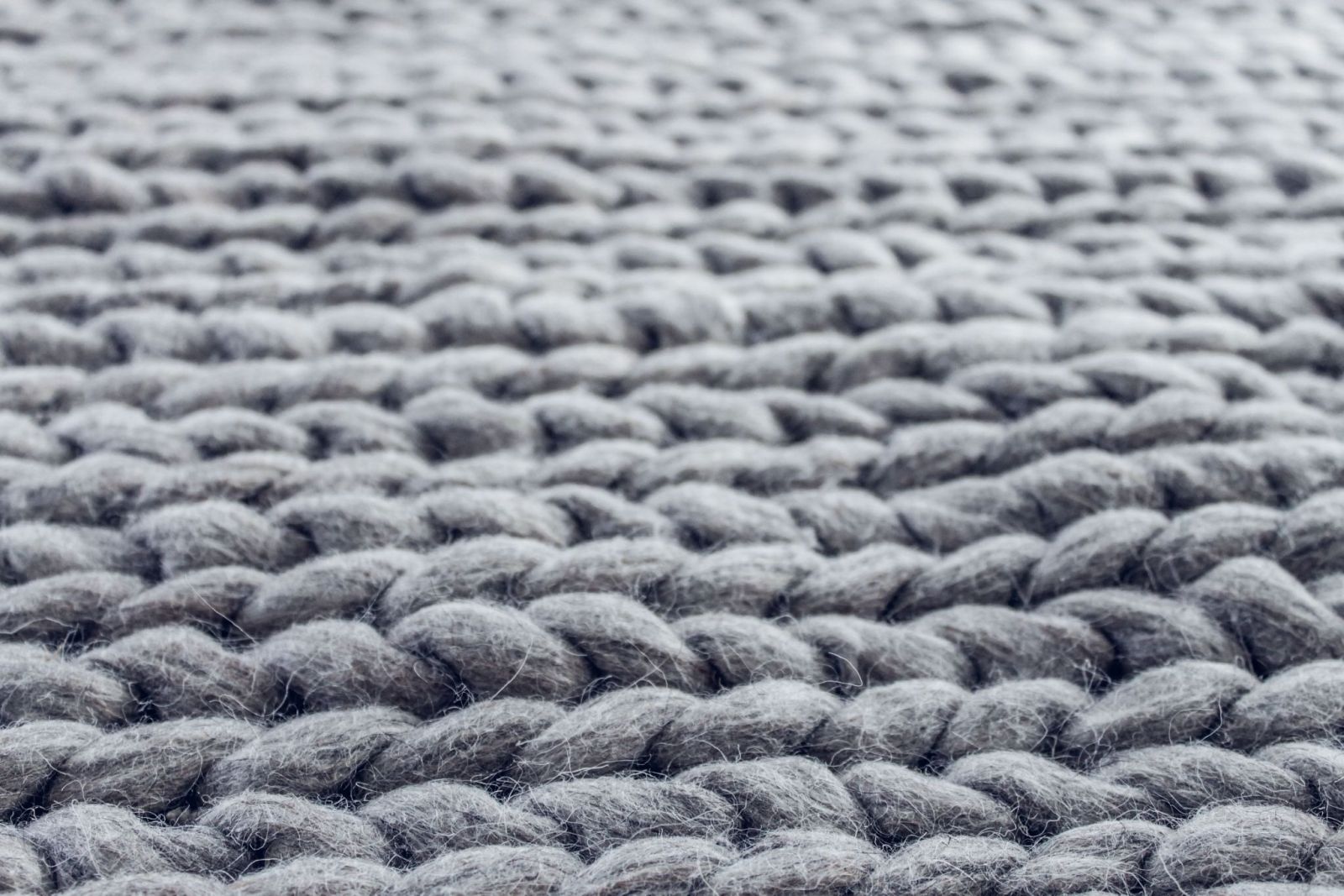
Wool rugs are natural, soft and long-lasting. They usually feel more comfortable underfoot than jute, especially in bedrooms, nurseries and lounge rooms where softness matters.
Wool also performs well over time because the fibres have natural bounce and resilience. This helps wool rugs hold their shape in busy areas, including living rooms and family spaces.
The main trade-off is price. Wool is generally more expensive than jute, so it suits shoppers who want premium comfort and are happy to invest more upfront.
Key takeaways for wool rugs
- Best for comfort, warmth and premium texture
- Great for bedrooms, living rooms and cosy family spaces
- Usually softer underfoot than jute
- Often more expensive than jute and polypropylene
- A strong option if you want a natural rug with a more luxurious feel
Should you choose a jute rug or a wool rug?
Choose a jute rug if you want a natural, textured look at a more moderate price. Jute is a great choice for styling a room with earthy tones, timber furniture or relaxed coastal decor.
Choose wool if softness is your top priority. Wool costs more, but it offers a plush feel and strong long-term performance.
If you are choosing between jute vs wool rugs, think about how you use the room. Jute suits dry, styled spaces with moderate use, while wool is better for comfort-focused rooms where you spend more time barefoot.
Jute rugs vs polypropylene rugs: How do they compare?
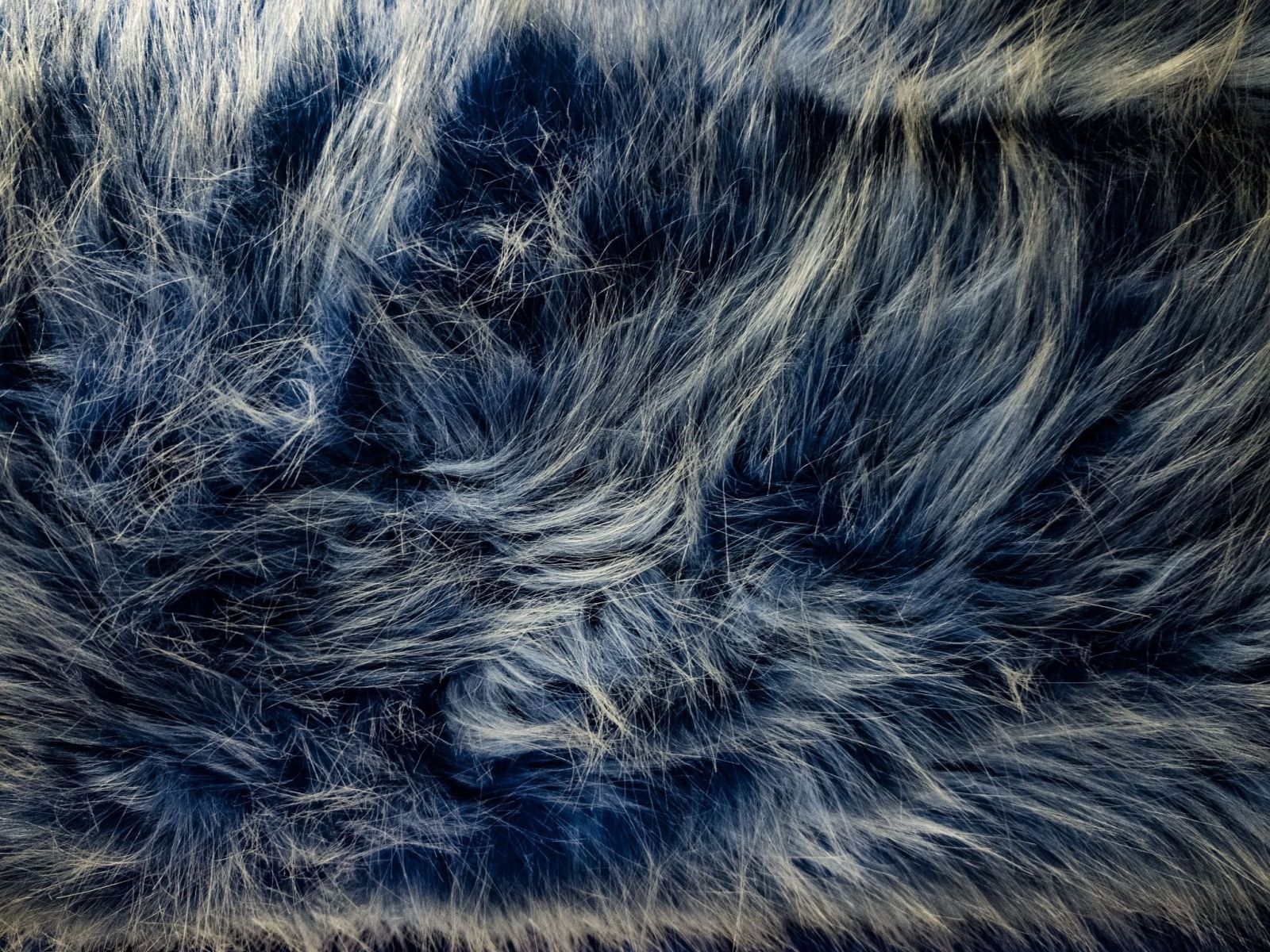
Polypropylene is a synthetic fibre used in many affordable, durable and easy-care rugs. It is popular for busy homes because it handles spills and stains better than jute.
A polypropylene rug is often a practical choice for kids’ rooms, playrooms, dining areas and high-traffic living spaces. It is also available in a wider range of colours, patterns and styles than most jute rugs.
The main drawback is that polypropylene is not a natural or biodegradable fibre. If sustainability and natural texture matter most to you, jute or wool may be a better fit.
Key takeaways for polypropylene rugs
- Best for easy cleaning and low-maintenance living
- Good for families, rental homes, playrooms and dining spaces
- More moisture-resistant than jute
- Available in more colours, patterns and designs
- Usually more budget-friendly than wool
- Not as eco-friendly as natural fibres like jute and wool
Should you choose a jute rug or a polypropylene rug?
Choose a jute rug if you want natural texture, a softer environmental footprint and a warm neutral look. It is a good option for dry rooms where spills are not a daily concern.
Choose polypropylene if you need something easy to clean, colourful or more forgiving in a busy home. It is often the better choice for kids, pets and dining areas.
When comparing a jute rug vs polypropylene, the biggest differences are care, moisture resistance and sustainability. Jute gives you natural character, while polypropylene gives you practical everyday performance.
Jute vs wool vs polypropylene: which rug should you choose?
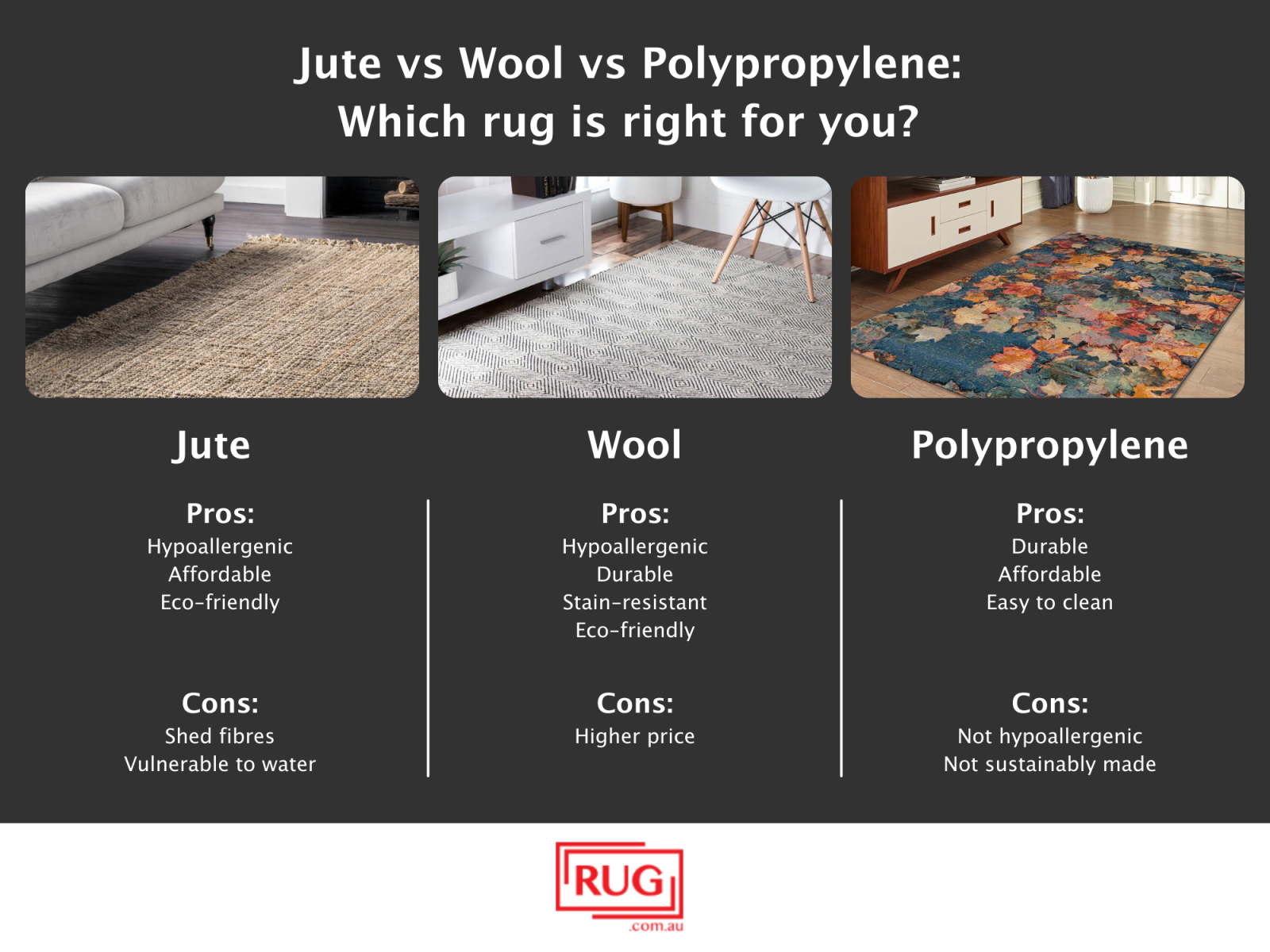
The best rug material depends on how you live, not just how the rug looks. Think about the room, the foot traffic, the cleaning needs and the feel you want underfoot.
- Choose jute if you want a sustainable, natural rug with texture and moderate cost
- Choose wool if you want premium comfort, softness and long-term natural quality
- Choose polypropylene if you want a budget-friendly, low-maintenance rug for busy spaces
Jute is best for dry indoor rooms with a relaxed, organic feel. Wool is best for comfort and premium styling. Polypropylene is best when spills, pets, kids or easy cleaning matter most.
Find the right rug material for your home
At Rug.com.au, you can explore a large range of rugs online to suit different rooms, styles and budgets. From naturally textured jute rugs to soft wool rugs and practical polypropylene designs, there is an option for every kind of home.
Use the filters to shop by size, material, style and price, then compare what works best for your space. Whether you are styling a living room, refreshing a bedroom or choosing a durable rug for a busy family area, Rug.com.au makes it easier to find the right fit.
Spend over $300 and enjoy free shipping Australia-wide. Browse the collection online today and add comfort, texture and style to your home.
FAQs about jute, wool and polypropylene rugs
Are jute rugs soft or rough?
Jute rugs can feel soft for a natural fibre, but they are still more textured than wool or many synthetic rugs. A chunky weave will feel more rustic, while a finer weave usually feels smoother underfoot.
Are jute rugs good for high-traffic areas?
Jute can handle moderate foot traffic in dry indoor areas. It is suitable for living rooms, bedrooms, home offices and some hallways, but it may not be the best choice for wet, muddy or spill-prone zones.
Do jute rugs smell when new?
Some new jute rugs may have a mild natural fibre smell. This usually fades with airing and regular use, especially when the rug is kept in a dry, well-ventilated room.
Are wool rugs worth the higher price?
Wool rugs can be worth the higher price if you want softness, warmth and long-term quality. They are a strong choice for rooms where comfort matters, such as bedrooms and living rooms.
Are polypropylene rugs better for pets?
Polypropylene rugs are often easier to manage in pet households because they are usually more stain-resistant and easier to clean than jute. Jute can be challenging with pet accidents, and claws may catch on chunky woven fibres.
Can you use a jute rug under a dining table?
You can use a jute rug under a dining table, but it is not always the easiest option. If spills are common, polypropylene may be more practical because it is easier to clean.
Do you need a rug pad under a jute rug?
Yes, a rug pad is recommended under a jute rug. It helps reduce slipping, protects your flooring and can reduce movement that may cause fibre wear or scratches.
