



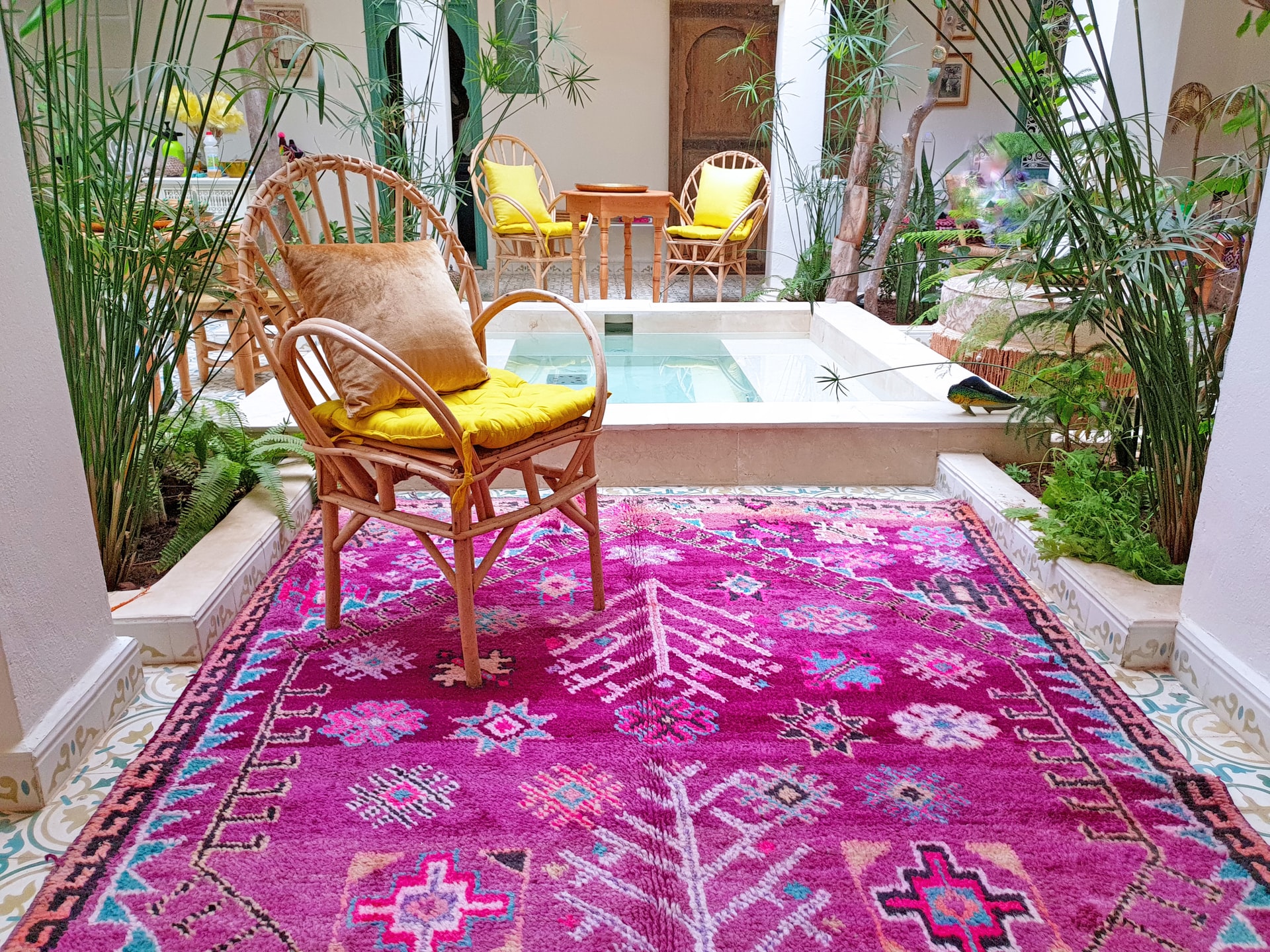
7 stunning rug types from around the world

The art of carpet and rug weaving has existed for thousands of years. During this time, we’ve created beautiful patterns, colour combinations, durable natural fibres, and weaves — all expressing the culture from which the rugs originated.
Here at Rug.com.au, we love the cultural relevance and versatility of high-quality rugs. In this blog, we share some of our favourite rug types from around the world, including Moroccan rugs, Greek shag rugs, Turkish rugs, and many more.
#1: Morocco - Moroccan Rugs
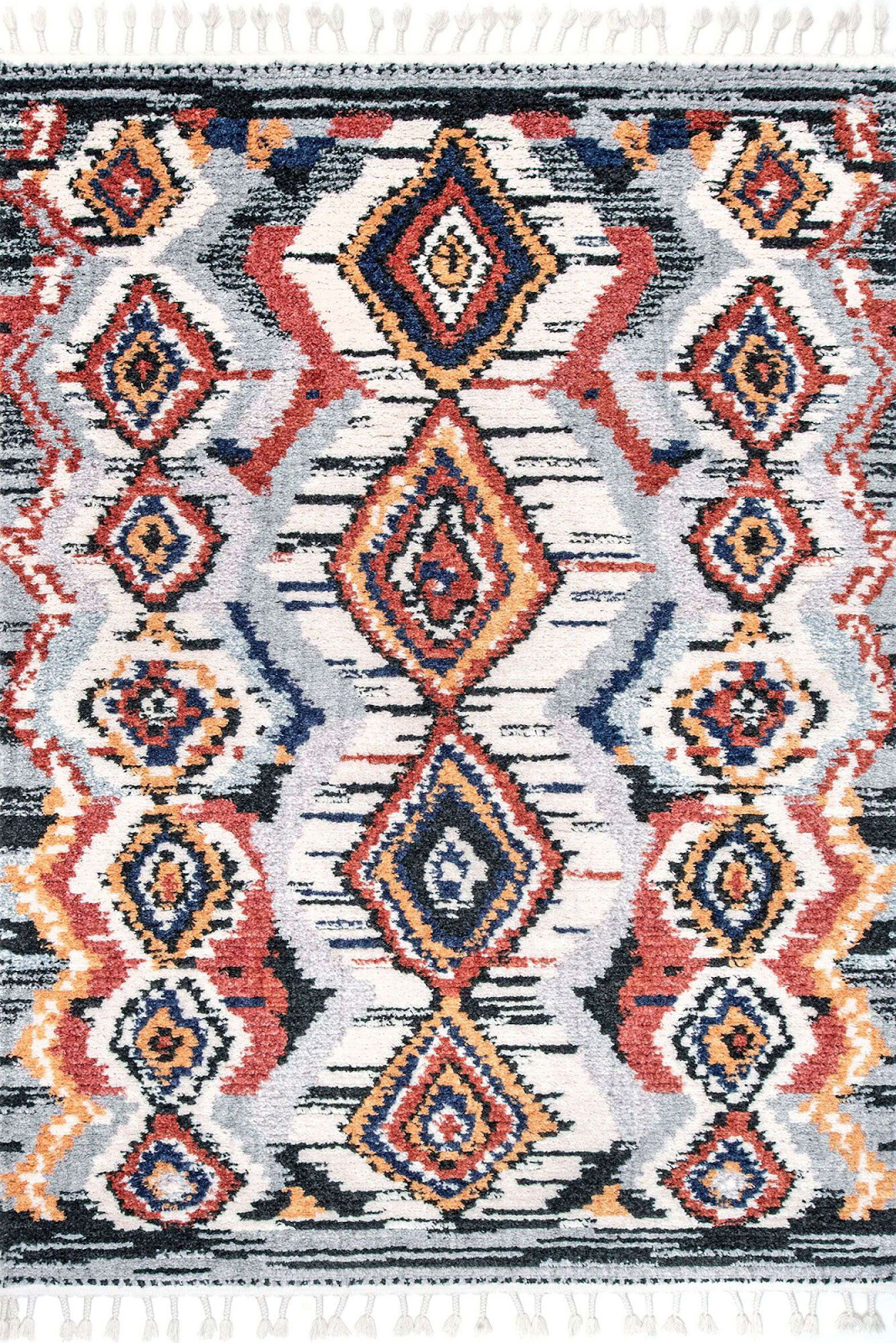
Moroccan rugs have become a huge trend in the Western World. Featuring brilliant colours, fascinating patterns, and soft, comfortable piles of fabric, Moroccan rugs are perfect for homeowners looking to add a splash of colour and culture to their home decor.
Traditionally, Moroccan rugs and weaves were made exclusively by women in the Berber tribes of the Middle and High Atlas Mountains. Thanks to the dense piles of fabric, Moroccan rugs were used as floor art, mattresses, seating, and even blankets in the cooler months. Talk about multipurpose!
The wool used to weave the rugs was obtained from local sheep. The wool was woven by hand into different sizes, thicknesses, and tightness. The fibres would then be dyed with local ingredients like spices, minerals, fruits, and more.
The dye recipes were passed down from generation to generation, leading to the fantastic Moroccan rugs we know today.
Moroccan women were also known to get creative with their weaving, telling their life stories in the pattern. Their rugs featured lots of imagery and symbolism, which would vary depending on the local area where the rug was made.
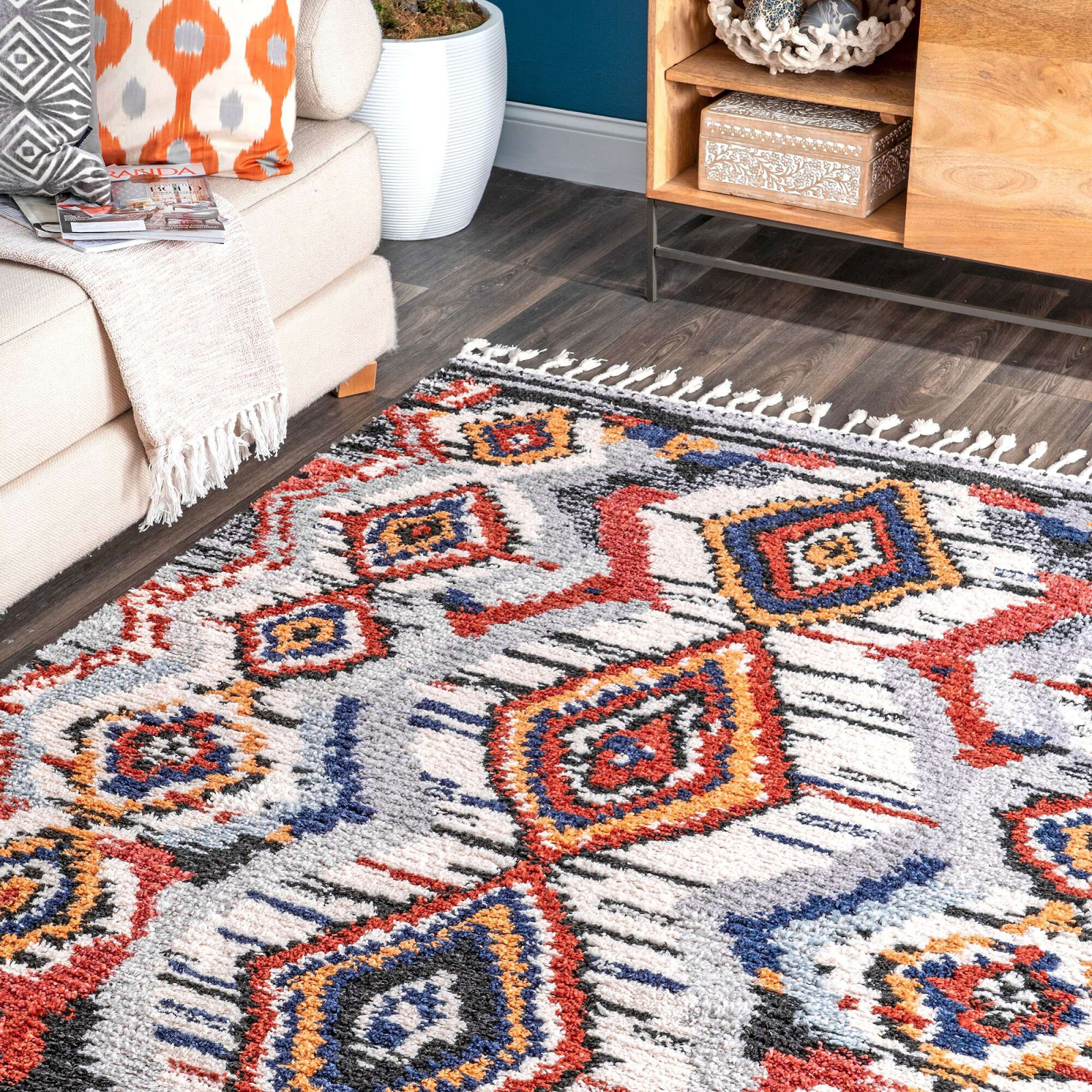
Moroccan rugs became popular in America and Western countries in the 1970s and 1980s, but the trend has stuck around! Now, Moroccan rugs are ideal for homes with wooden or cane furniture and a neutral colour scheme, so the Moroccan rug can really make a colour splash that elevates your home.
#2: Asia Pacific - Seagrass Rugs
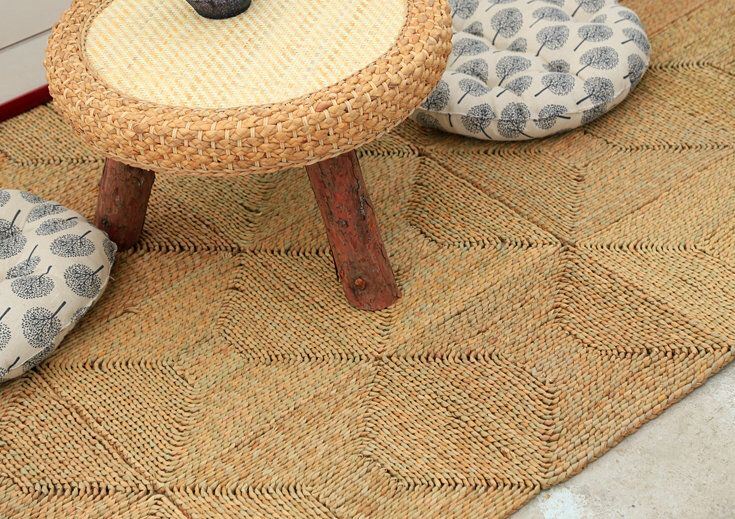
Image: Pinterest
Seagrass rugs, like all natural fibre rugs, are designed to bring nature indoors.
Seagrass fibre grows underwater in Asia’s wetlands including China and other areas of the Pacific Rim. This unique fibre is the eco-friendly solution to home decorating - seagrass is easy to harvest, grows back quickly, and makes for a durable piece of floor art - ideal for both indoor and outdoor use.
Seagrass is long-lasting and plentiful - so it’s a must-have for homeowners looking to make an environmentally conscious decision about their home decor.
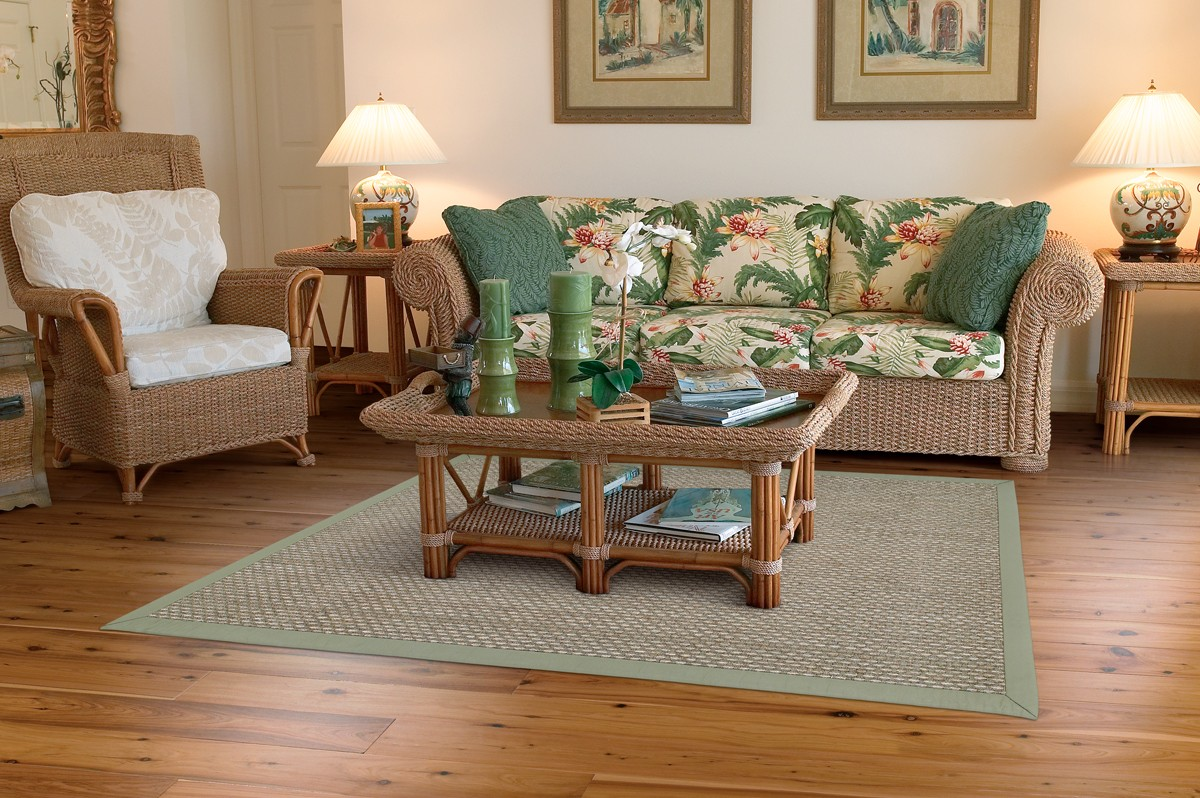
Image: Sisal Rugs
For an added bonus, seagrass rugs are stain and water-resistant. Place a seagrass rug in high-traffic areas like hallways, entryways, and living rooms, or add a seagrass rug to your outdoor entertaining area. The space will get an extra dose of style, while keeping everyone’s shoes clean before re-entering the house!
The only possible downside is that due to seagrass's extreme durability and stain resistance, these rugs are very difficult to dye, so you will almost always find seagrass rugs in natural colours… but that’s good news for homes with accident-prone kids, though!
#3: Deserts of Mexico, Brazil, China and Africa - Sisal Rugs
Sisal is one of the most popular natural fibre rug types. It’s more versatile than seagrass; for one, sisal can easily be dyed, so you’re not limited to beige or brown colour schemes. Second, sisal is just as durable as seagrass, making them perfect for high-traffic homes.
Sisal is a natural fibre derived from the long green leaves of the 'agave sisalana' cactus plant. Agave is one of the most predominant native plants from the hot semi-desert regions in the western hemisphere, like Mexico, Brazil, China, and Africa.
While the sisal plant originated in the Yucatan peninsula of Mexico, Brazil and Tanzania are now the world’s biggest exporters of luxurious sisal rugs.
Sisal reeds can be woven into stunning patterns and colours. Plus, no pesticides are used to harvest Sisal, which makes them an excellent choice for any allergy sufferers.
#4: India - Jute Rugs
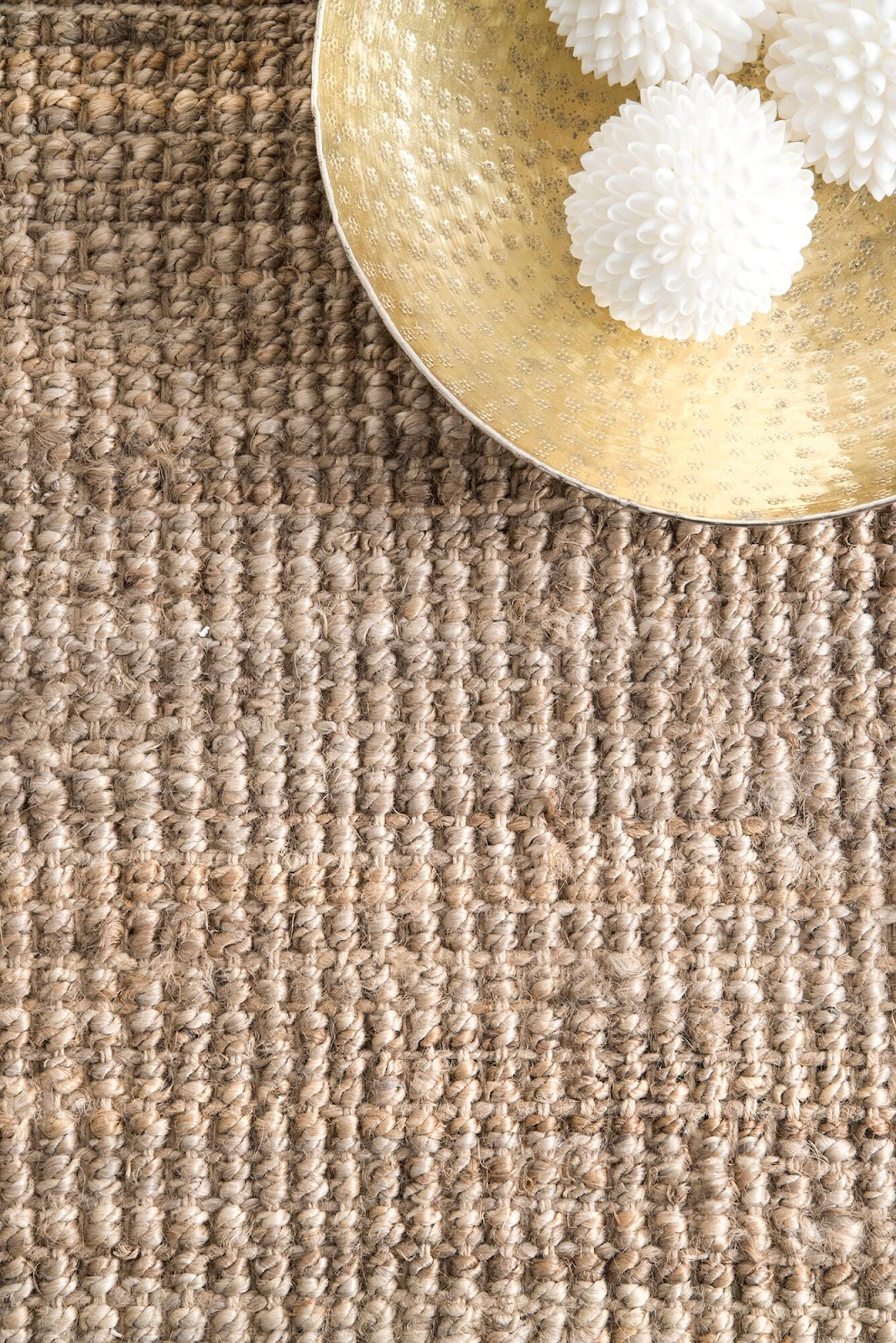
Jute is a long, soft, and shiny fibre which is often spun into course, long threads for burlap sacks and hessian. It’s a rain-fed crop found on the alluvial soils of the Ganges in Bangladesh, India. There’s no need for fertiliser or pesticides, which makes jute rugs great for people with allergies.
The British started trading jute from India in the 17th century, which caused a massive boom in the popularity of jute-related products for centuries to come. In fact, more than a billion jute sandbags were exported from Bengal to the trenches during World War I, showing just how versatile jute can be!
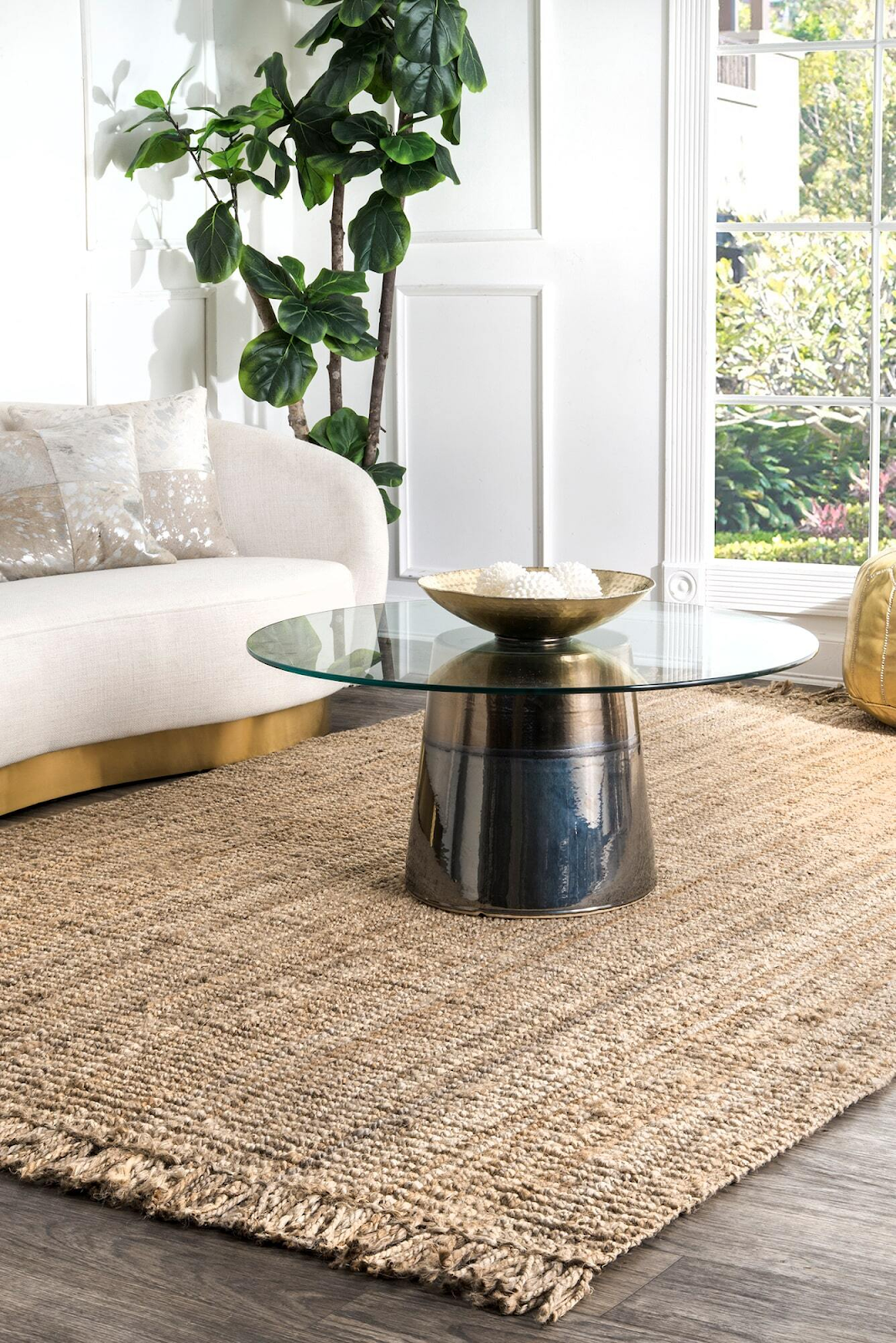
Today jute has become a hugely popular choice for homeowners looking for an affordable, eco-friendly rug to spice up their home decor. Ideal for living rooms, sunrooms, and bedrooms, jute rugs feel soft and comfortable underfoot.
Jute is also easier to dye than seagrass, so you’ll find jute rugs in a wide range of colours to suit your unique home decor theme.
#5: Turkey - Turkish Knotted Rugs
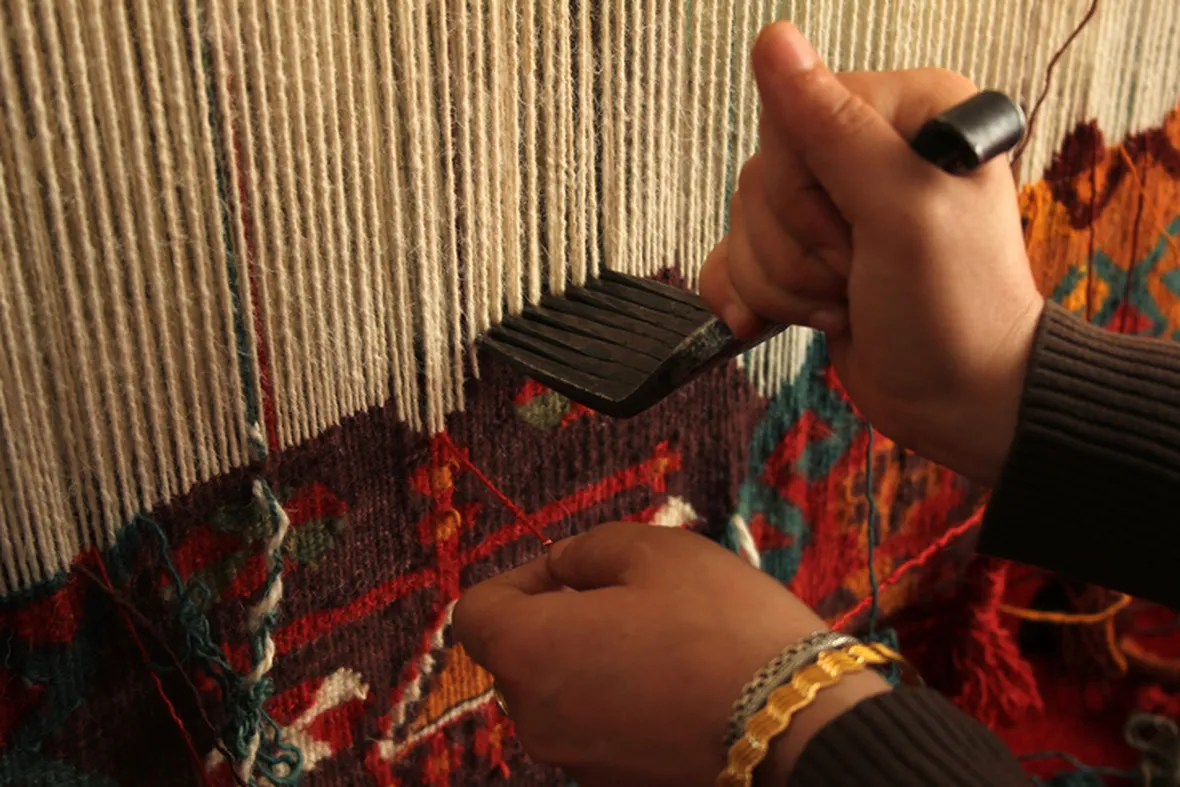
Image: HiPages
Anatolian rugs (otherwise known as Turkish rugs) are carpets made in Anatolia (Asia minor) and adjacent regions. Most areas of production were dominated by the Ottoman Empire and the knotted, pile-woven style now represents the regional culture, what we know as Turkey today.
Turkish rugs are thicker than traditional rugs and are woven from wool, cotton, and silk. They’re always tied with a Turkish knot, otherwise known as the Ghiordes knot or Turkbaff.
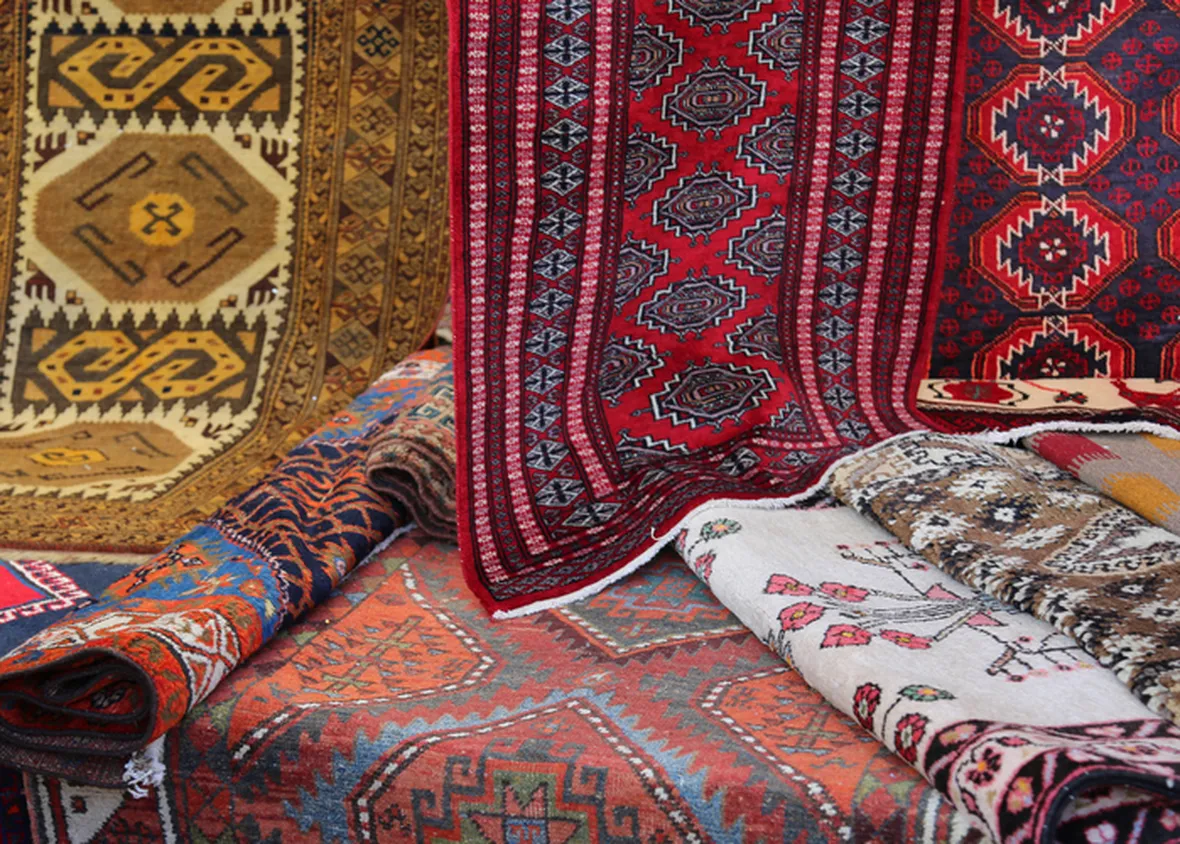
Image: HiPages
Turkish rugs have brilliant colours and geometric patterns. Some also feature prayer niches, but no humans or animals because the Quran doesn’t allow for this.
Nowadays, Turkish rugs are a popular item for home decorating - hang this style of rug on the wall, lay it out on the living room floor under a wooden or cane coffee table, or add a splash of colour to your dining room.
#6: Iran - Persian Rugs
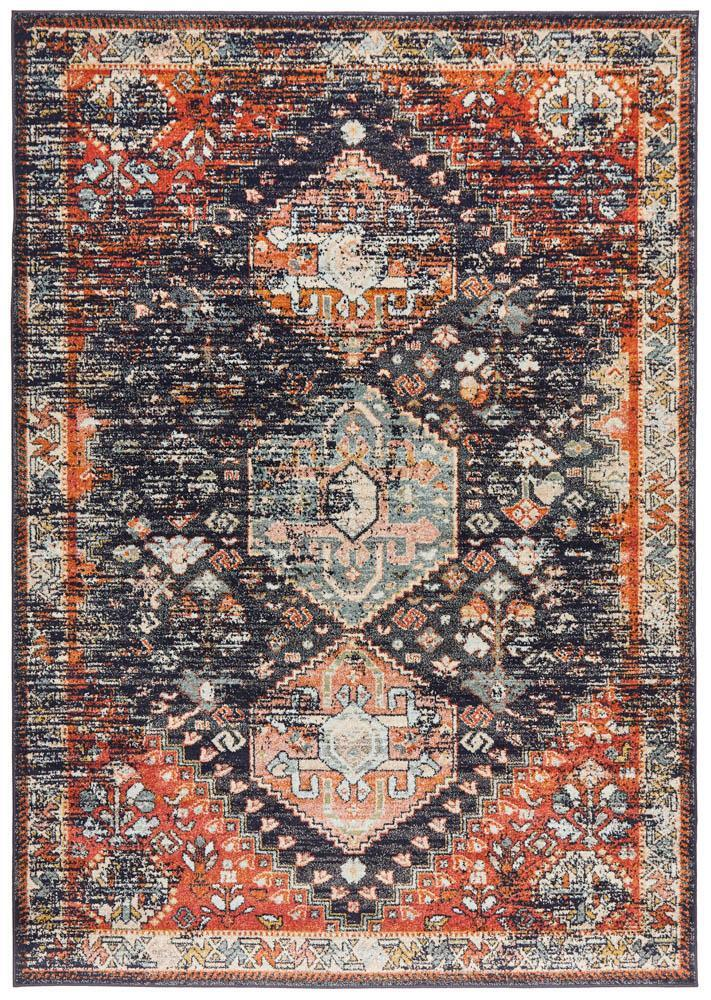
Lilihan Tribal Traditional Rug
Persian rugs are one of the most luxurious and intricate styles of rugs in the entire world. Woven from soft wool, Persian rugs have elaborate patterns and designs, perfect for homeowners looking to add a splash of colour, luxury, and history to their home decor.
The art of carpet weaving in Iran (previously known as Persia) started more than 2,500 years ago. Rather than using rugs for decoration, Persian nomads used them to cover the floors, giving them protection from the cold and damp. Over the centuries, Persians improved their skill and craft, which was passed down from generation to generation.
The patterns and designs transformed through periods of peace, invasion, and war. Persian rugs also became popular and “high end” when Ancient Greek historians started talking about them in their scripts. As well as fantastic colours and patterns, these rugs have a rich history behind them!
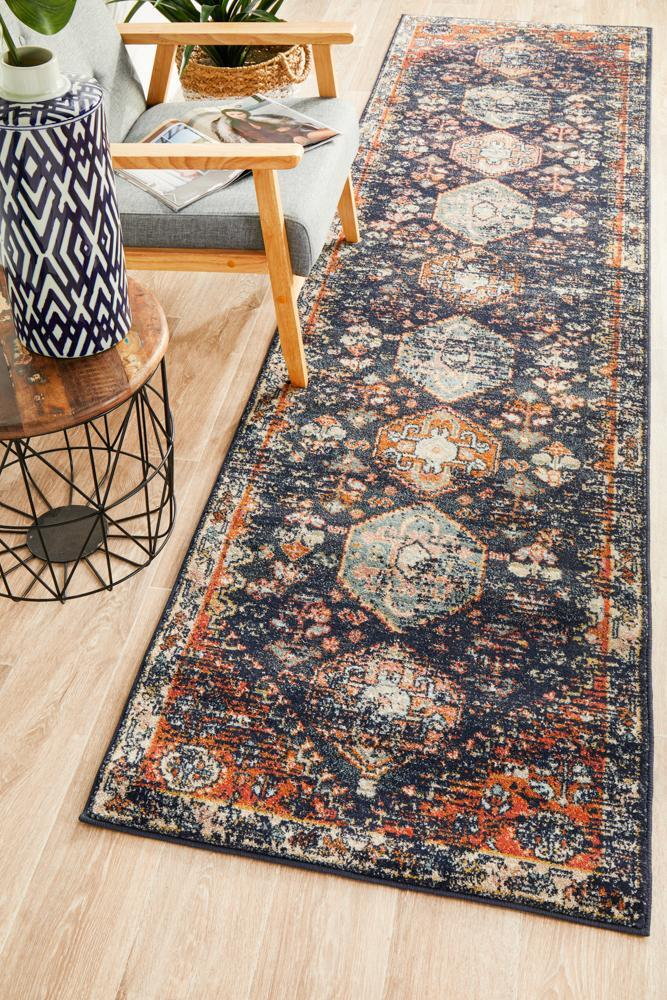
Persian rugs look fantastic on wooden floors, but make sure to add an anti-slip pad underneath to prevent slips and trips! Matched with wooden, cane, or metal-based furniture, Persian rugs add an exotic touch to any living space.
#7: Ancient Greece - Shag Rugs
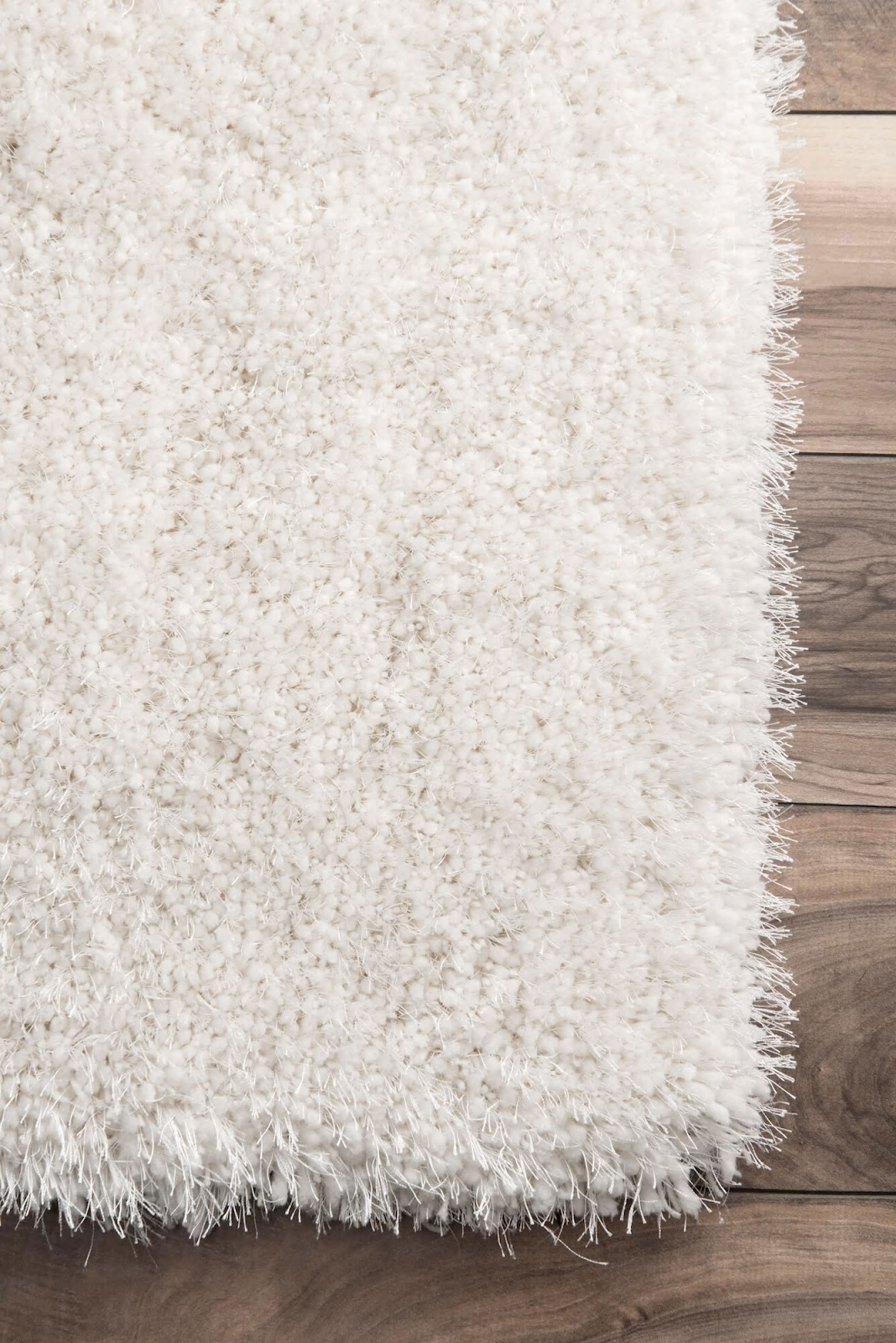
Shag rugs were incredibly popular in the 1960s and 1970s. Thanks to the fluffy, deep pile fabric and comfy, cushioned material, shag rugs and carpets were popular amongst the disco and hippie communities. Imagine these rugs matched with retro furniture, or spread out in the back of a van heading to Woodstock… there’s something cosy-cool about shag rugs!
Despite their overwhelming popularity in the late 20th century, shag rugs originated from the Flokati rugs of Ancient Greece. Traditionally, these rugs were woven from long strands of goat hair and looped to raise up the fibres and create a deep, comfy pile to walk and sit on.
This rug style was popular in Turkey, Greece, and Central Asia before making an appearance in America’s “beatnik” communities.
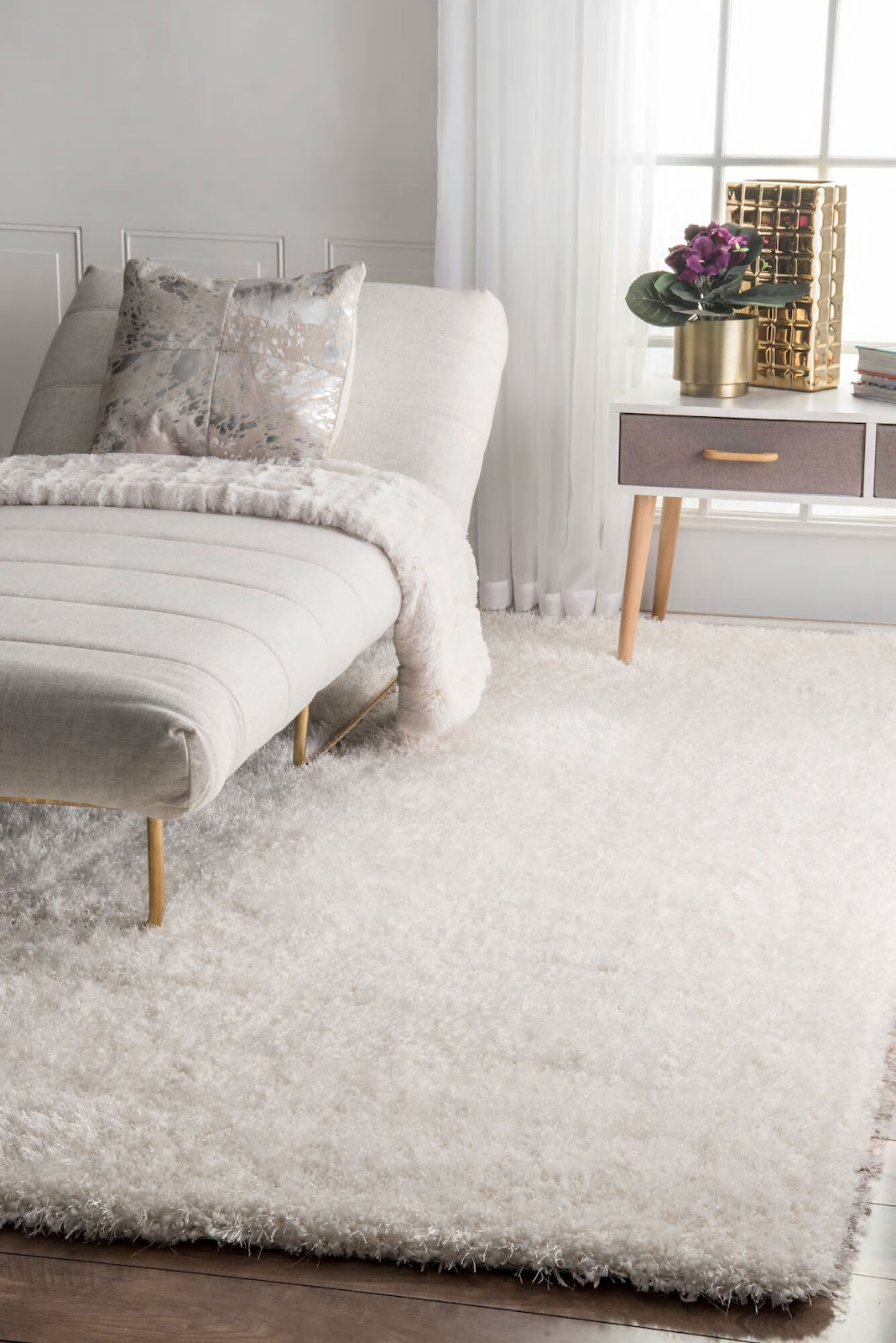
After becoming “passe” in the 1980s, shag rugs have made a comeback and are now considered stylish and elegant. With fewer “out there” colours and patterns, modern shag rugs are now trendy in neutral hues like cream, beige, and white, while faux furs add a luxurious, fluffy touch to any living space.
Add a shag rug to your bedroom for a warm and comforting sensation when you get out of bed in the morning, or add a rug to a baby’s nursery for comfy tummy time. These rugs are an absolute people pleaser, no matter the age!
#8: Scandinavia - Rya Rugs
Rya rugs originate from the chilly Nordic regions, particularly Sweden, where they first emerged in the 15th century. Originally used as bedding by sailors due to their thick, warm pile, these rugs gradually evolved into decorative floor coverings by the 17th century. Rya rugs are handmade using the traditional knotting technique and feature long wool fibres that offer a plush, insulating layer for cold hardwood floors, ideal for colder climates.
What makes the Rya rug stand out is its minimalist Nordic charm combined with graphic, often geometric, modernist designs. These rugs typically come in neutral hues like ivory, grey, and natural wool tones, making them a beautiful match with clean, Scandinavian-style interiors.
Due to their soft, shaggy texture, Rya rugs are best suited for bedrooms or living rooms where a cosy underfoot feel is appreciated. While traditionally made from 100% wool, modern Rya-style rugs may also incorporate synthetic blends to offer affordability and easier care. When shopping for different types of rug, the Rya is a unique blend of historical craftsmanship and modern aesthetic appeal.
#9: The Caucasus Region - Kilim Rugs
Kilim rugs are flat-woven textile artworks with no pile, which makes them lighter and more versatile than traditional knotted rugs. Originating from the ancient weaving traditions of the Caucasus region, spanning parts of Azerbaijan, Armenia, Turkey, and Iran, Kilim rugs are renowned for their bold geometric motifs and vibrant, saturated colours that often carry cultural or spiritual symbolism.
The flatweave construction allows Kilim rugs to be reversible, making them an excellent low-maintenance option for high-traffic areas like entryways, hallways, and even dining rooms. Their lightweight design also makes them ideal for layering with other rugs to add dimension and texture to a space — a popular styling trick in boho and eclectic interiors.
Kilim rugs are typically made from wool, although cotton may be used in the foundation. These types of rugs are not just functional; they’re collectible, often recognised as cultural heirlooms and passed down through generations. Whether hung as tapestry art or placed on the floor, Kilim rugs showcase the artistic heritage of their regions with a practical twist.
#10: North America - Navajo Rugs
Navajo rugs represent the rich weaving tradition of the Indigenous Navajo people of the Southwestern United States. Originally woven as blankets in the 17th and 18th centuries, Navajo textiles later evolved into rugs under the influence of early American trading posts. The handwoven craftsmanship of these rugs is intricate and deeply symbolic, with motifs often rooted in cosmology, the natural world, and oral traditions.
Most Navajo rugs are woven from hand-spun wool dyed with natural extracts from plants and minerals such as indigo, cochineal beetle, and local clay. The resulting colour palette ranges from earthy terracotta and ochre tones to deep blues and blacks. With no pile and a tight, durable weave, these rugs are well-suited to both decorative and functional uses.
When exploring different types of rug from around the world, Navajo rugs stand out for their profound cultural significance and unique southwestern aesthetic. They pair wonderfully with rustic furnishings, desert tones, and timber accents, instantly enhancing the warmth and authenticity of any space.
#11: Afghanistan - Afghan Rugs
Afghan rugs are renowned for their deep, rich colours, intricate detailing, and artisan craftsmanship. Hand-knotted from high-quality wool, these rugs often feature geometric motifs and stylized floral elements arranged in symmetrical patterns. Distinct types of Afghan rugs include the Khal Mohammadi (known for its deep red palette) and the Baluchi rug, produced by various tribes across western Afghanistan and neighboring regions.
Afghan rugs are typically woven on vertical looms by skilled craftspeople — often women — who learn the techniques through generational teaching. These rugs are loved for their durability and ability to retain vibrant colours over time, thanks to the use of natural dyes. Because of their strong visual impact and hardy construction, Afghan rugs are ideal for placement in lounges, dining rooms, or home offices where a statement piece is desired.
If you're searching for unique and hard-wearing options among the many different types of rug, Afghan rugs offer both historical charm and enduring style — rich in story as well as texture.
#12: Tibet - Tibetan Rugs
Woven at altitudes above 12,000 feet, Tibetan rugs are crafted from highland sheep wool, colloquially known as “Changpel.” This type of wool is known for its strength, softness, and high lanolin content, making the rugs soft, resilient, and naturally dirt-repellent. Hand-carded and hand-spun, Tibetan rugs are unique in their knotting technique, known as the Senneh loop, offering an incredibly dense and plush pile.
Traditionally, Tibetan rugs featured motifs inspired by Buddhism, such as tigers, dragons, clouds, and flame-border symbols, echoing the nation’s spiritual heritage. These details, combined with a rich palette of reds, golds, and indigo blues, make Tibetan rugs favourite choices for meditative and tranquil spaces such as reading nooks, bedrooms, or yoga rooms.
Today, Tibetan rugs are appreciated globally, yet they remain true to their roots. They are often hand-knotted by Tibetan refugees or artisan cooperatives in Nepal, preserving cultural traditions with modern appeal. When considering different types of rug with deep spiritual and artistic resonance, a Tibetan rug is a standout option.
Different Types of Rug: Choosing the Best Fit for Your Space
With so many different types of rug available around the world — from lavish Persian designs to sustainable seagrass and bold Turkish knotted carpets — picking the right style depends on your space, lifestyle, and design preferences. Functional rugs like jute, sisal, or seagrass are ideal for outdoor areas and family zones, whereas decorative woven rugs like Kilims, Persian, or Navajo rugs make a strong visual statement in living or feature rooms.
Understanding rug construction — like pile height, weaving technique, and fibre content — helps you narrow down your options and achieve the right balance of comfort, durability, and visual appeal. Whether you're searching for something cultural, contemporary, or eco-conscious, there’s a perfect rug type for every corner of your home.
Explore our full collection online and discover a world of stunning rug styles at your fingertips. Use our filters to browse rugs by material, colour, and origin, and enjoy flexible payment options plus free shipping on orders over $300. From traditional masterpieces to modern fibres, Rug.com.au makes high-quality rugs accessible for every home.
Add exotic rug styles from around the world to your living space today
A high-quality rug can add an incredible touch of culture and style to your living space. From rich coloured Moroccan rugs to natural fibre rugs like seagrass, sisal, and jute - carpets and rugs are a must-have item to complete and tie together any stylish home decor.
We have hundreds of rugs to choose from online - at the most affordable prices you can find! Shop online today - we have flexible payment options including Zippay and Afterpay, plus free shipping over $300.
